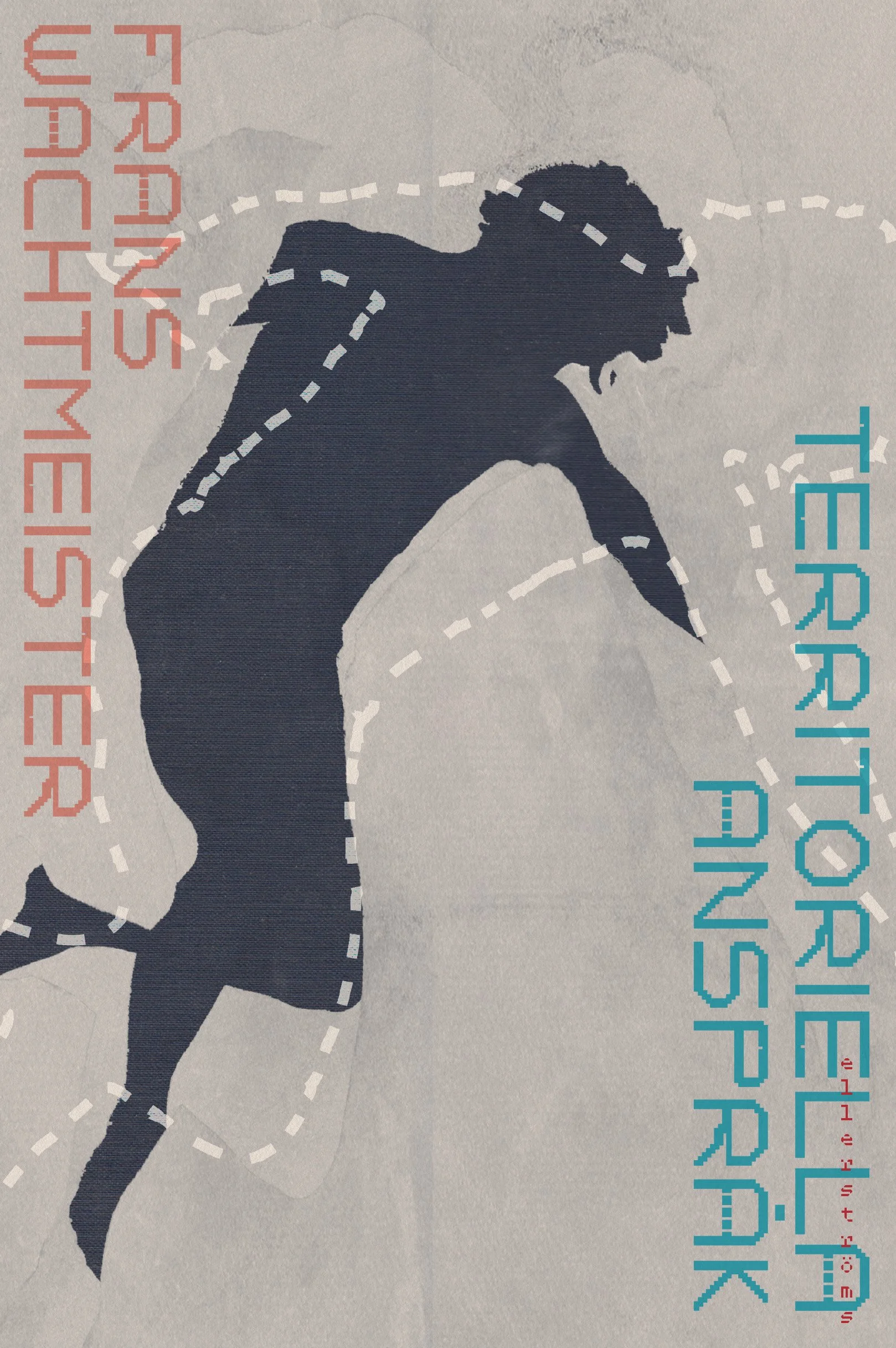
FRANS WACHTMEISTER
FRANS WACHTMEISTER (b. 1993) has carved a distinct path in contemporary Swedish literature. At a young age, he relocated to Tokyo, where he has been based for over a decade, immersing himself in both art history and the Japanese language — an experience that continues to inform and enrich his writing.
In 2023, Wachtmeister made his debut with the novel Territorial Claims, which earned him nominations for both the Borås Tidning Debutant Prize and the Katapult Prize, as well as the Lily and Tage Fridh Scholarship. His follow-up novel, Lost Ground, confirmed his ambition and versatility as a writer.
Wachtmeister’s work stands out for its transnational sensibility and its probing of territory, both literal and metaphorical, and for the way he investigates the dynamics of the encounter between Europe and the world. Writing from the vantage point of someone who moves between geographies, languages, and cultural codes, he brings remarkable clarity and daring to the page, revealing a rare combination of formal finesse and intellectual curiosity.
He is currently working on his next novel, to be published next autumn by Norstedts.

Photo: Carolina Wiehe Welroos
Agent: Erik Larsson
PRAISE FOR FRANS WACHTMEISTER
“This author possesses a distinctive way of storytelling. With simple means — humor, violence, terrifying Buddhist wooden sculptures — he creates something new within the contemporary novel.”
Dagens Nyheter
“Wachtmeister has a sharp eye for relationships, power, hierarchies, and dynamics that manifest in both sex and business (…) He writes with a clear, distilled language and an almost unfailing precision of tone in every sentence.”
Svenska Dagbladet
“We are talking about a cynic with stylistic bite and vast amounts of pitch-black humor, making the reader snort and writhe with laughter as all hope slowly crumbles away.”
Göteborgs-Posten
“I truly appreciate Frans Wachtmeister’s ruthless candor.”
SR, Swedish Radio
“Frans Wachtmeister is a natural storyteller; he writes fluently, admirably straightforward and simple, with touches of dark humor. The theme — alienation versus assimilation and the (futile?) human longing to overcome loneliness and belong — is perpetually relevant.”
Upsala Nya Tidning
WORKS
ROOM TO LIVE
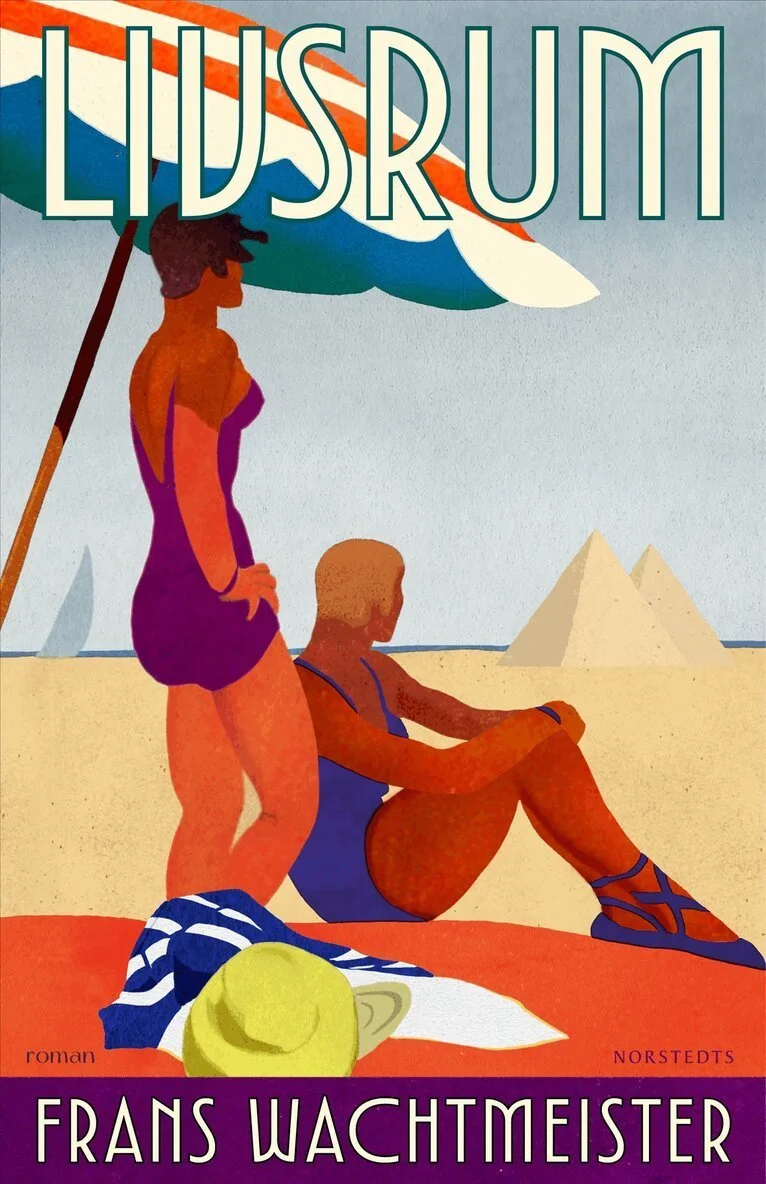
PUBLISHED NORSTEDTS AUG 2026
GENRE Literary fiction
pages 300
ALL RIGHTS AVAILABLE
In her search for security, PR consultant Erika and her partner have left Malmö for the neighboring suburb of Staffanstorp. But when their garage is broken into, they begin to consider a move to the municipality’s newly built gated community. At the same time, their relationship is quietly falling apart. Do they truly have anything left in common? And what is the point of living behind walls if you have nothing worth defending?
During a trip to Sharm el-Sheikh, Erika is given a chance to start over. Here, solitary European women mingle with young Egyptian men, each of them dreaming of a better life on the other side of the Mediterranean. At the resort, Erika begins to envision a project that is as provocative as it is seductive: she wants to build something truly worth defending.
ROOM TO LIVE is a novel about exoticism, desire, and nostalgia, about the right to be oneself. It paints a striking vision of Europe not only as a place, but as an idea: a space, as much as a moment in time, in which to live and create.
LOST GROUND
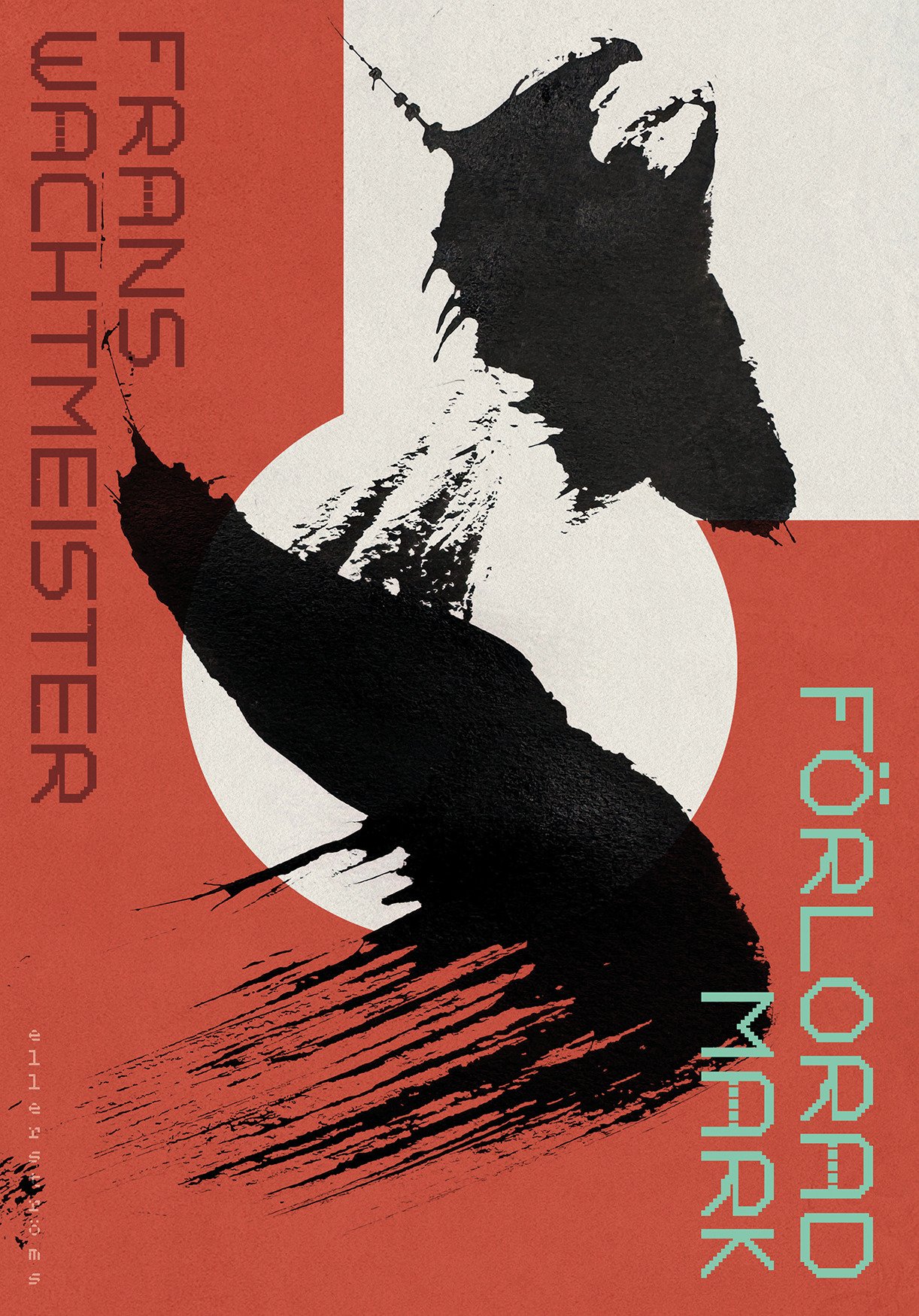
PUBLISHED ellerströms 2025
GENRE Literary fiction
pages 256
ALL RIGHTS AVAILABLE
For the protagonist of Frans Wachtmeister’s new novel, life has come to a standstill. His Japanese girlfriend has left him, and when he finally also loses his job as a headhunter, he begins preparing for the end. In the company of a failed Buddhist sculptor, he leads a shadow-life on the outskirts of Tokyo, at times accepting his fate, at times struggling against it. His Japan grows narrower, increasingly hostile, soon driving him toward one last desperate attempt to regain the favour he has lost.
With the same cynical gaze directed at both Asia and his own continent, Frans Wachtmeister writes from a European’s perspective about identity, regret, and guilt — and also presents a theory of the geography of love in a global age.
TERRITORIAL CLAIMS